Feng Shui, often called “Chinese environmental design,” focuses on creating harmony between people and their living spaces. It posits that our surroundings—homes, offices, even room layouts—are filled with “Qi” (life force energy), and how it flows directly impacts our health, mood, and fortune.
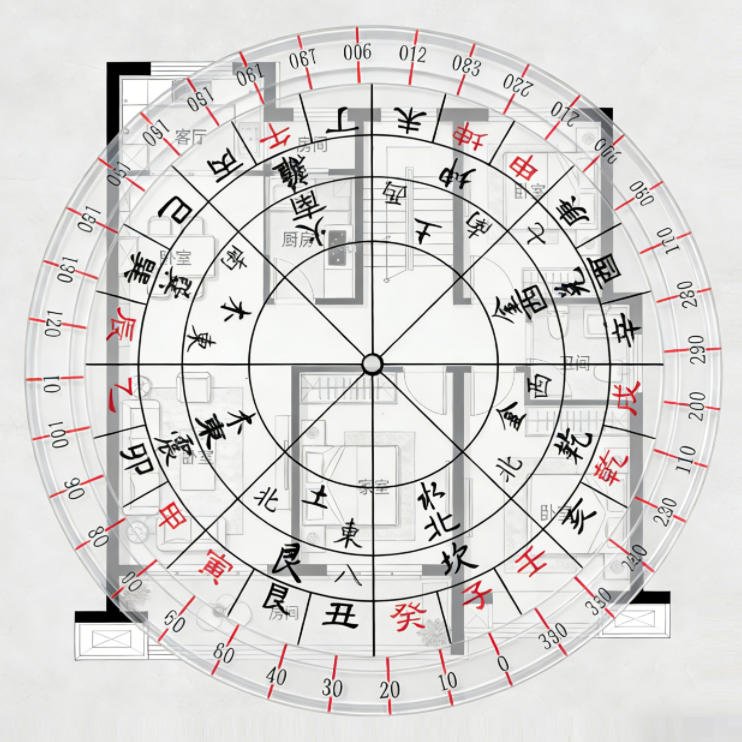
Basic Principles: Balance & Flow
Feng Shui isn’t about buying trinkets. It’s based on two key principles:
1、Yin-Yang Balance: Ensure harmony between light and dark, movement and stillness, solid and empty in a space. A room that’s all white and metal (extreme Yang) might feel tense; adding soft textiles and warm tones (Yin) brings calm.
2、Five Elements Cycle: Incorporate Wood, Fire, Earth, Metal, and Water elements into your decor. For example, add Wood (plants, wooden furniture) to a study (needing growth/creativity) and Fire (red accents, lighting, candles) to a living room (needing social energy/vitality).
3、A Simple Start: Ming Gua & Directions
A more personalized application involves your “Ming Gua” (Life Trigram, calculated from your birth year). It indicates your most auspicious directions. For instance, a “Zhen Gua” individual might find sleeping with their head towards the East improves rest and decision-making. You can easily find a Ming Gua calculator online.
4、Modern Application?
Start by decluttering! Clutter is the biggest blocker of Qi flow. Then, focus on the entrance (for smooth Qi entry), bed placement (for stability and support), and your desk’s view (symbolizing opportunities). The goal is to create a space where you feel comfortable, energized, and at peace. Feng Shui is, at its heart, the conscious and meaningful shaping of your living environment.